A Guide to Hard Cheese

A cheesemonger’s guide to getting more from every piece of cheese you buy

With so many cheeses out there, “hard cheese” often gets reduced to one thing: cheddar.

And that’s where most people go wrong.

Hard cheese isn’t a single style; it’s a category defined by time, technique, and flavour development.

And here in Britain—particularly across East Anglia and into Lincolnshire—you’ll find some of the finest examples anywhere in the world.

This guide will show you:

  • What hard cheese actually is
  • How it’s made
  • How to choose it properly
  • And which British cheeses are genuinely worth your time

What Exactly Is a Hard Cheese?

At its simplest, hard cheese is:

  • Low in moisture
  • Firm in texture
  • Aged for longer

But that only tells half the story.

Hard cheeses are made by:

  • Cutting curds smaller
  • Heating and stirring them
  • Pressing out moisture
  • Then ageing them—sometimes for years

The result?

Less water. More flavour. More character.

Hard vs Soft vs Semi-Hard (Quick Guide)


How Hard Cheese Is Made (Without the Fluff)

Milk is heated → cultures and rennet are added → curds form.

From there, hard cheese takes a different path:

  • Curds are cut small (to release more whey)
  • They’re often heated and stirred
  • Then pressed—sometimes for hours
  • Salted (dry or brined)
  • And finally aged in controlled conditions

Over time:

  • Moisture continues to leave
  • Proteins break down
  • Flavour intensifies

This is where cheese stops being food…
and starts becoming something far more interesting.

The British Hard Cheeses That Actually Matter

There are so many hard cheeses available, but we wanted to move away from the generic and highlight a handful that deserve your attention.

Not because they’re famous.
But because they’re properly made and worth adding to a cheeseboard

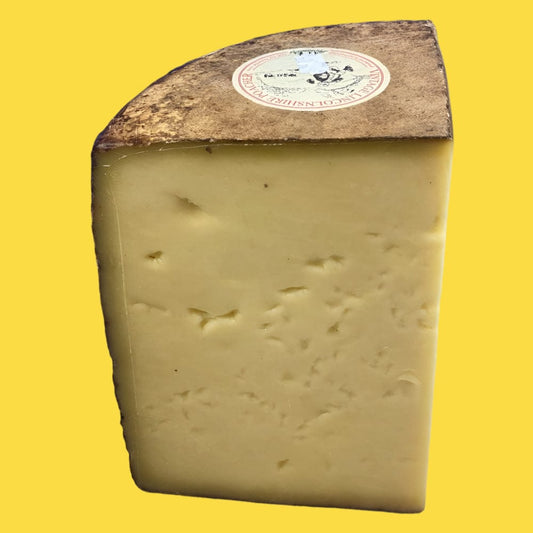
Lincolnshire Poacher

A marriage of cheddar tradition and Alpine influence, it delivers depth, balance, and a long savoury finish. To buy Lincolnshire Poacher, click here

Why it matters:

  • Properly aged
  • Complex but approachable
  • A benchmark British hard cheese

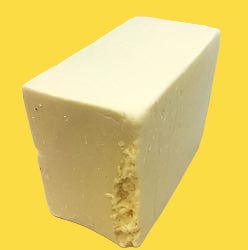
Norfolk Dapple

A cheese that proves Norfolk can more than hold its own. As it matures, it develops a firmer texture and a bold, savoury profile. Buy Norfolk Dapple Click Here

Why it matters:

  • Local
  • Characterful
  • Proper cheesemonger cheese

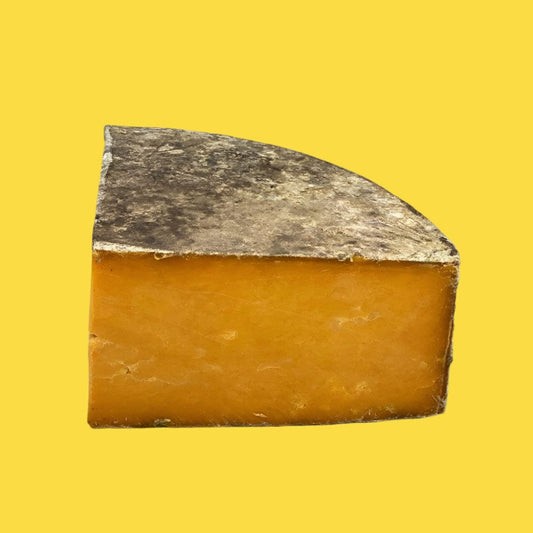
Sparkenhoe Red Leicester

This is Red Leicester as it should be—nothing like the supermarket version. Click to buy Sparkenhoe Red Leicester Click Here

Why it matters:

  • Handmade
  • Clothbound
  • Deep, savoury flavour

Hafod

A raw milk cheddar that quietly sits among the best in the UK. Made on a single farm in Wales, Hafod is rich, buttery, and deeply complex without ever becoming overpowering. Click to buy Hafod, Click Here

Why it earns its place:

  • Raw milk depth
  • Balanced, layered flavour
  • A cheddar for people who think they already know cheddar

Pitchfork Cheddar

This is modern British cheesemaking at its best—respecting tradition, but not afraid to refine it. Pitchfork is bold, brothy, and savoury with a dense, slightly crystalline texture. Click to Buy Pitchfork Cheddar, Click here

Why it earns its place:

  • Proper farmhouse cheddar
  • Deep umami character
  • One for people who want something with real presence

Old Winchester

Often described as Britain’s answer to an Alpine-style or even Parmesan-style cheese. Firm, slightly granular, and packed with nutty, savoury notes. Click to Buy Old Winchester, Click here

Why it earns its place:

  • Long-aged
  • Excellent for both boards and cooking
  • A great “gateway” into harder, more aged cheeses

Doddington Cheese

A cheddar that does things properly. Clean, grassy, and structured, with a firm texture and a balanced finish. Click to buy Doddington Cheese, Click here

Why it earns its place:

  • Traditional production
  • Honest, well-made cheddar
  • Shows how good simple can be when done right

What People Get Wrong About Hard Cheese

Serving Cheese Straight from the Fridge

Cold cheese is muted cheese. Straight from the fridge, you lose flavour, aroma, and texture.

Fix: Take it out 30–60 minutes before eating. Let it wake up.

Avoiding Strong or Aged Cheeses

People play it safe — mild, familiar, predictable. But with hard cheese, maturity is where the reward is.
That’s where the depth, complexity, and character live.

Fix: Go older. Go bolder. Trust the cheesemaker.

Thinking All Hard Cheese Is the Same

“Cheddar is cheddar.” No it isn’t. A clothbound, raw milk cheddar is a completely different experience to a supermarket block.
Hard cheese varies hugely depending on milk, method, and maturation.

Fix: Stop buying by type. Start buying by maker.

Wrapping Cheese in Plastic

This one quietly ruins more cheese than anything else. Plastic traps moisture, suffocates the cheese, and kills flavour.

Fix: Use cheese paper or wax paper. Let it breathe.

Throwing Cheese Away Because of Mould

A bit of mould on hard cheese isn’t the end. It’s normal.

Fix: Cut it off (generously), and carry on. The rest is perfectly good

Is Hard Cheese Low in Lactose?

Most people are surprised to learn that many hard cheeses are naturally low in lactose — and in some cases, virtually lactose-free.

Lactose is a natural sugar found in milk. During the cheesemaking process, much of the lactose is removed with the whey. What remains is then broken down during maturation.

In hard cheeses, which are aged for several months (or longer), this process is taken even further. The longer a cheese matures, the more the lactose is reduced, often leaving only trace amounts.

  • Hard cheeses are typically aged for months or years
  • Lactose is broken down during maturation
  • Many hard cheeses contain little to no detectable lactose
  • This includes cheeses like cheddar, alpine-style cheeses, and other long-aged varieties

Many people with lactose intolerance find they can enjoy hard cheeses without issue, particularly well-aged varieties.

However, tolerance can vary from person to person, so it’s always best to try small amounts and see what works for you.

Many of our hard cheeses, including traditional cheddars and alpine-style cheeses, fall into this category.

Storing Cheese

Hard cheese needs to breathe. Wrap it in cheese paper or wax paper, not plastic, and store it in the fridge’s vegetable drawer where conditions are more stable. Keep it as a block rather than slicing it to preserve freshness and flavour.

If mould appears, simply cut it away (around 1cm) — the rest of the cheese will be perfectly fine

Choosing the Right Hard Cheese

Choosing the right hard cheese isn’t about playing it safe — it’s about exploring flavour, texture, and maturity. If you’re not sure where to start, that’s exactly what we’re here for.