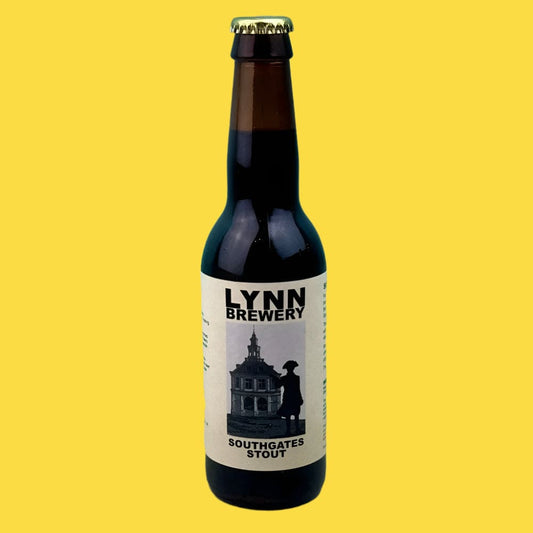
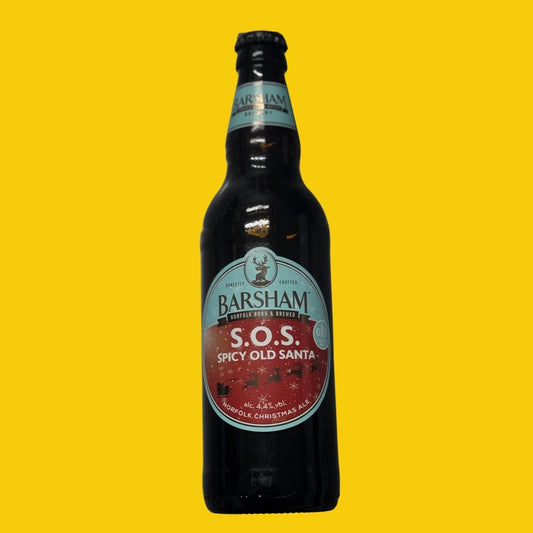
Discover stouts and porters brewed in Norfolk by independent breweries across the county – from smooth, easy-drinking dark beers to rich, roasted and full-bodied brews.
Dark beer can sometimes look more intimidating than it tastes. While some stouts and porters are undeniably big, rich beers, others are remarkably smooth and drinkable, combining roasted malt with flavours of chocolate, coffee, caramel, nuts and dark fruit.
Norfolk's independent brewers produce examples across that spectrum.
What does Norfolk Stout & Porter taste like?
The darker malts used to make these beers can introduce flavours quite different from those found in Pale Ale or IPA.
Expect characteristics such as dark chocolate, cocoa, roasted coffee, caramel, toast and nuts, sometimes accompanied by dried or dark fruits, liquorice, vanilla or gentle smoke.
That doesn't mean every stout or porter will taste strongly of coffee or chocolate. These flavours can occur naturally from the malts and the way they have been roasted, rather than because coffee or chocolate has actually been added to the beer.
Some brewers do add ingredients such as coffee, cacao, vanilla or lactose to particular beers – but when they do, that's a deliberate additional element rather than what makes a beer a stout.
What's the difference between Stout and Porter?
It's one of those apparently simple beer questions without a completely simple answer.
Porter came first. The style developed in London during the 18th century as a dark, malt-driven beer. Stronger versions became known as Stout Porter, with stout originally referring to the beer's strength rather than describing a completely separate style.
Over time, Stout developed an identity of its own.
Today the distinction isn't absolute. Brewers use different combinations of malts and roasted grains and interpret the terms in different ways.
As a general guide, Porter can lean towards chocolate, caramel and toasted malt, while Stout frequently has a more pronounced roasted character, sometimes bringing coffee-like flavours.
But there are plenty of exceptions – the individual beer matters more than the name alone.
Are all stouts heavy and strong?
Definitely not.
Colour doesn't tell you how strong or heavy a beer will be.
A dark stout can be surprisingly dry, smooth and refreshing, while some pale beers can contain considerably more alcohol.
You'll find sessionable stouts designed to be enjoyed by the pint alongside much richer beers intended for slower drinking.
So if you've avoided stout because you assume dark means heavy, it's worth trying a few different styles.
What is a Milk Stout?
A Milk Stout, sometimes called a Sweet Stout, is traditionally made using lactose – a sugar derived from milk that brewing yeast doesn't readily ferment.
The remaining sweetness can give the beer a rounder, smoother and creamier character, balancing the bitterness of roasted malts.
Milk Stout therefore isn't necessarily telling you that milk has simply been poured into the beer; it describes a particular approach to creating sweetness and body.
Because lactose is a milk-derived ingredient, these beers won't normally be suitable for vegans.
What is an Imperial Stout?
An Imperial Stout sits towards the other end of the scale.
These are generally stronger, fuller-bodied beers with much more concentrated malt character. Expect flavours that can include dark chocolate, espresso, treacle, dried fruit and warming alcohol.
They're beers for sipping rather than necessarily drinking by the pint and can sometimes develop additional complexity with age.
Dark malt and Norfolk brewing
Norfolk's relationship with beer begins with the grain.
The county is one of Britain's important malting-barley growing regions, and malt provides the foundation upon which every beer is built.
Stout and Porter demonstrate particularly dramatically what malt can do. By changing the grains and the degree to which they're roasted, brewers can move from the pale biscuit character of lighter beer towards toast, caramel, chocolate and eventually intensely roasted flavours.
Hops remain important for balance, but in many Stouts and Porters it is malt that gets the opportunity to take centre stage.
What food goes with Stout & Porter?
Dark beers can be exceptionally good with food.
Try them with mature or blue cheese, smoked foods, slow-cooked meat and rich savoury dishes. Their roasted and chocolate characteristics can also make certain styles surprisingly successful alongside chocolate desserts.
And for a cheeseboard, a Norfolk Stout or Porter can provide an interesting alternative to wine – particularly with a powerful Norfolk blue or mature hard cheese.
Stout & Porter brewed in Norfolk
Our Norfolk Stout & Porter collection brings together dark beers from independent breweries across the county, with the selection changing as breweries introduce seasonal recipes, special releases and new interpretations of these historic styles.
Whether you're looking for something smooth and easy-drinking or dark, rich and contemplative, there's considerably more variety within Stout and Porter than their appearance might suggest.
Explore our current selection of Norfolk Stouts and Porters below.
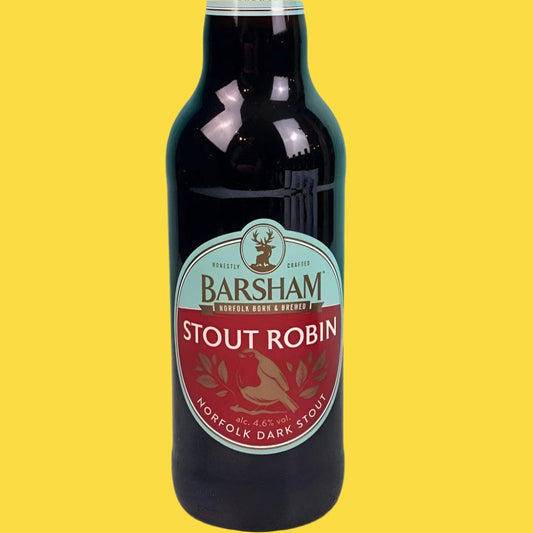 Sold out
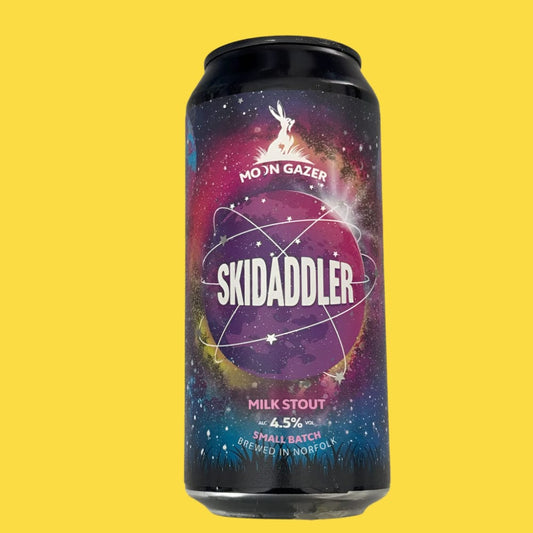 Sold out